Post Delivery Bleeding
The colour of the blood should change from bright red to brown over a few weeks. After delivery it is normal to have bleeding and vaginal discharge.
 Pin On Pregnancy Childbirth Tips
Bleeding occurs if you have a vaginal birth or a caesarean section birth.

Post delivery bleeding. Its normal to have blood clots after giving birth but sometimes too many or very large blood clots can be cause for concern. Fibroids in the uterus may also increase the risk. Placenta praevia is when the placenta attaches inside the uterus but in an abnormal position near or over the cervical opening.
It is classified as blood loss of 500 ml or more of blood for a vaginal delivery and 1000 ml or more of a c-section. Over the next several days the bleeding will slowly get less each day. As a result youll experience postpartum bleeding whether you gave birth vaginally or had a C-section.
The most common cause of postpartum hemorrhage is when the uterus does not contract enough after delivery. Postpartum bleeding is similar to menstrual bleeding although it lasts for much longer and is generally much heavier. Normal after giving birth.
Uterine atony is the number one cause of postpartum hemorrhage. Symptoms will be of hypovolemia so there is blood loss tachycardia and hypotension. The characteristics of the bleeding can vary and it.
Bleeding should slow and then taper off within a few weeks after delivery. Heavy bleeding after giving birth is called postpartum hemorrhage. On the first day you may soak up to one sanitary pad each hour.
The bleeding is bright red and tends not to be associated with pain. It affects up to 5 of women who give birth. Bleeding is usually heaviest just after birth and gradually becomes less over the next few hours.
For three to four days after giving birth it will be bright red. Symptoms include vaginal bleeding in the second half of pregnancy. But a few things can temporarily increase the blood flow including.
Vaginal postpartum bleeding or lochia is the discharge of blood and mucus that starts after delivery. Your body is ridding itself of all the extra blood mucus and tissue it needed during pregnancy. Its most likely to happen the first 24 hours after delivery.
When a piece of the placenta remains inside the uterus after delivery. Getting out of bed in the morning. In addition the color will gradually change.
Therefore a national health priority is to ensure that women who experience severe PPH receive timely appropriate and effective treatm. This is called lochia. It may lead to shock and death if not treated.
As the body sheds the placenta after childbirth blood may pool inside the uterus and form clots. It is normal for small. Bleeding can continue to happen up to six weeks after giving birth.
During the first three to four days after delivery lochia will be more abundant than menstrual discharge and then the amount will decrease. In the first 12 days after your baby is born bleeding is usually bright red in colour. 25 rows Postpartum bleeding is bleeding which occurs after childbirth.
The bleeding will reduce further over the next few days. Losing lots of blood quickly can cause a severe drop in your blood pressure. Rarely when the uterus ruptures or is turned inside out inverted Excessive bleeding after one delivery may increase the risk of excessive bleeding after subsequent deliveries.
Postpartum bleeding is normal and natural. Quickly finding and treating the cause of bleeding. In the United States postpartum hemorrhage PPH accounts for 46 of all maternal deaths and is responsible for major peripartum medical and surgical morbidity.
This vaginal bleeding is called the lochia and it will usually have stopped by the time your baby is 12 weeks old. What is normal blood loss after birth. Complications may include placenta accreta dangerously low blood pressure or bleeding after delivery.
In the first 24 hours when blood flow is the highest many women pass one or more large clots.
 Pin On Ob Peds Nursing School
 Pin On Myth Vs Fact
 Homepage Hwe100c02 Human Nutrition Ashley Tracey Fa17 Breastfeeding Benefits Breastfeeding Awareness Breastfeeding Tips
 Pin On Natural Unmedicated Birth
What Can I Do For Hemorrhoids Cure For Hemorrhoids Varicose Vein Remedy Bleeding Hemorrhoids
 View More Teaching Images And Get Your Free Trial At Roshreview Com Postpartum Hemorrhage Nursing School Tips Nursing Study
 Cervidil To Induce Labor What Is Cervidil Uses And Side Effects Induce Labor Cervidil Induction Induction Labor
 Warning Signs For Postpartum Complications Created By Awhonn The Majority Of Complications Occur After Postpartum Complications Warning Signs Child Nursing
 Pin On Health And Exercise
 Pin By Breastfeeding The Struggles W On Breastfeeding Memes And Information Breastfeeding Benefits Ovarian Osteoporosis
 Post Birth Warning Signs 160034 Jpg 2 550 3 323 Pixels Postpartum Complications Warning Signs Child Nursing
 Pin On Pregnant
 Stages Of Lochia Postpartum Bleeding Newborn Nursing Obstetrics Nursing Pediatric Nursing
 Pin On D O U L A W O R K
 Pin On Nurselet Content Memes
 Risk Factors For Neonatal Resuscitation Neonatal Paramedic School Midwifery Schools
 Postpartum Bleeding How To Manage And What Are The Warning Signs Forehead Postpartum Banana Peel
 Pin On Er Nurse
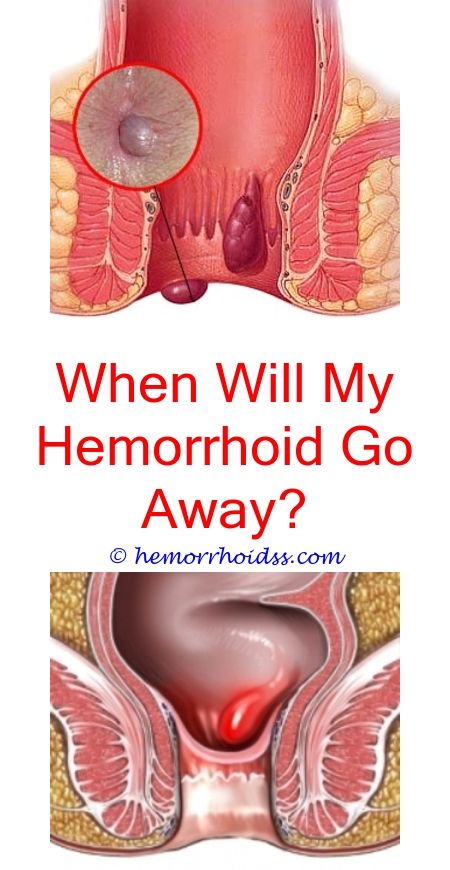 How Can You Get Rid Of Hemorrhoids Cure For Hemorrhoids Home Remedies For Hemorrhoids Hemorrhoids
